Records everyone can check
Use the same records to answer buyers’ questions and check the evidence with partners.
Show buyers where your products come from, who makes them and how you care for people and nature. Keep photos and records in TIM for partners to review.
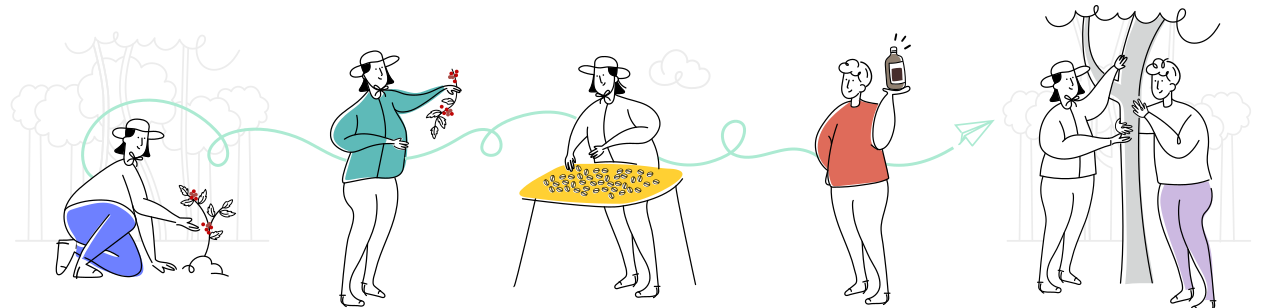
The people behind the product
Where do ingredients come from? How are people paid? Are forests cared for? Share the evidence so buyers can make an informed choice.
Use the same records to answer buyers’ questions and check the evidence with partners.
Record pay, women’s roles, how income is shared and how forests are cared for. Show what happens as a result of the work.
Growers, processors, brands and shops tell their part of the story, so buyers know who is behind a product.
People, communities and nature
Who has a say? Who earns an income? How is nature cared for? Tell the story with evidence from the work.

Record women’s business ownership, decisions and pay.
From shade-grown coffee to sourcing choices, show how growers, buyers and brands care for forests, watersheds and biodiversity.

Record purchase prices, wages and producers’ and communities’ shares, with the agreements behind them.

Local rice varieties, textile patterns and elders’ knowledge, with the people who preserve and pass them on.
Participatory assessment and verification
Like PGS, the people involved shape the criteria and assess together. TIM adds digital evidence, voting and Blockchain records so each round can be reviewed.
Participatory assessment and verification in TIMProducers and others involved agree on criteria, roles and acceptance conditions that fit the local context.
Connect activities, photos and assessment data to a plot or area, giving everyone the same evidence to review.
Review evidence, discuss findings and vote within agreed roles, accepting results under shared conditions.
Store assessment data and results as a history that cannot be rewritten, so everyone can revisit and verify each round.
See how TIM works
Choose coffee or rice, then try the plot records, activity log and report you can share with partners or buyers.
How to record and share reports in TIMAdd a name, area, growing method and start date. Keep records grouped by plot.
Arabica coffee
artifact.
Brand storytelling websites by TIM
We build a website around your products and the people who make them. From colours and type to animation and details visitors can open, each part is designed for your brand using real stories, photos and records.
Talk to us about your website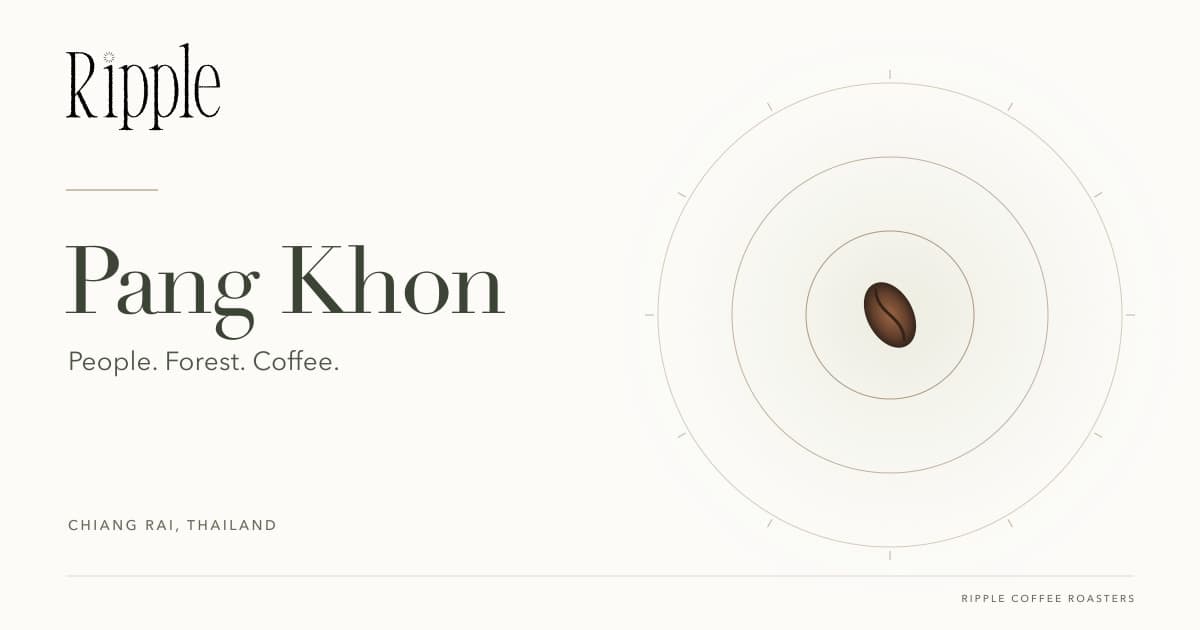
Meet the Pang Khon coffee growers and the forest they care for.
Visit Ripple’s websiteWork with our team on colours, type, artwork and the order of the story, including how visitors scroll and open details.
Explain who makes your product, where it comes from and how it is made, with field photos and source information to support the story.
Put a QR code on your product so buyers can read more. Add language editions and see which sections visitors open.
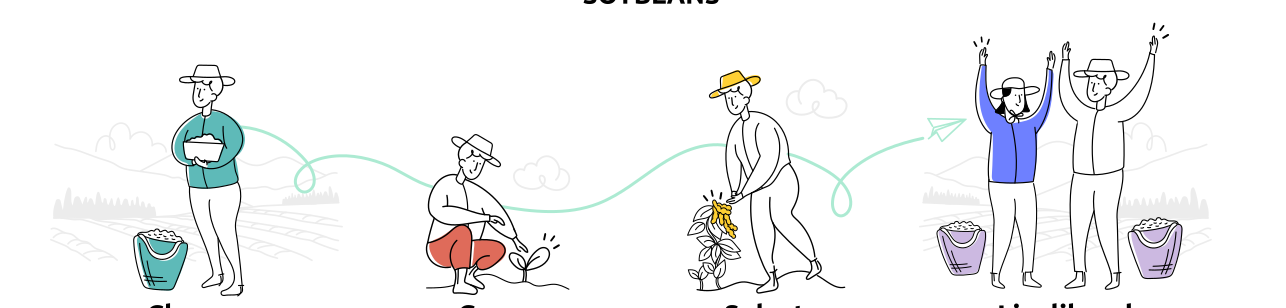
TIM by DO IN THAI
We want buyers to know who makes their products and how that work affects people and nature. TIM gives producers and partners a place to record that work, share it and review the evidence together.
TIM by DO IN THAITIM is an app by DO IN THAI for recording product origins, activities and environmental, social and governance (ESG) evidence. Producers, partners across the chain and buyers can review the records together.
TIM records product origins alongside opportunities for women, forest care, shared benefits, culture, household finances and craft. Evidence helps buyers understand the effects on people and nature.
Producers, processors, brands, distributors, retailers, community enterprises and their partner organisations. Each can explain their role and a product’s origins, with evidence for partners and buyers.
Yes. Brands, processors and retailers can record ingredient origins, purchasing agreements or community support with producers, so buyers see each partner’s role.
Add a plot → record activities → share a report by link or QR code → review evidence together. The coffee and rice records on this page are illustrative examples.
Have a phone number for OTP sign-in and details of your work. For rice or coffee, prepare producer details, plot name, area and growing method. Talk to TIM about working with partners or other products.
No. Open a published report by link or QR code. If the owner sets a viewing password, enter it first.
Yes. Record forest care, women’s roles, shared income, local knowledge, craft and household finances. Activities can be on or off the plot, or at home, with details and photos.
Email hello@do.in.th with your products, role and intended partners. The TIM team will explain costs and how to get started.
HELLO, TIM
Start recording in the TIM app. Talk to us about using it with partners.
hello@do.in.th